Listening Is Only Half the Battle
A few weeks ago, I wrapped production on a testimonial project for Renaissance Community Loan Fund (RCLF). On the surface, it seemed like a straightforward assignment. They wanted to tell the stories of two individuals whose lives had been impacted through their programs—one a business owner and the other a new homeowner. The interview questions had already been prepared, the locations were scheduled, and everyone involved was excited to share their experiences.
As I sat down to review everything before production, I found myself asking a different question. Not whether we had enough questions or enough camera coverage, but whether we were asking the questions that would uncover the story. That distinction has become one of the defining lessons of my career. When clients hire a filmmaker, they're usually very clear about what they need. They need a testimonial. They need interviews. They need a promotional video for their website or social media. Those requests are important because they establish the scope of the project, but they don't always reveal the outcome they're hoping to achieve.
There's a difference between creating what a client asks for and creating what ultimately helps them succeed. The more I work in documentary storytelling, the more I realize that listening is only half the battle. Listening tells me what the client believes they need. Discernment helps me recognize what's still missing. As I reviewed the interview questions for this project, I noticed they were thoughtful and well intentioned. They would have produced good interviews. But I also realized they started where most testimonial videos begin—with information. How did you hear about the organization? What was your experience like? How has the program helped you?
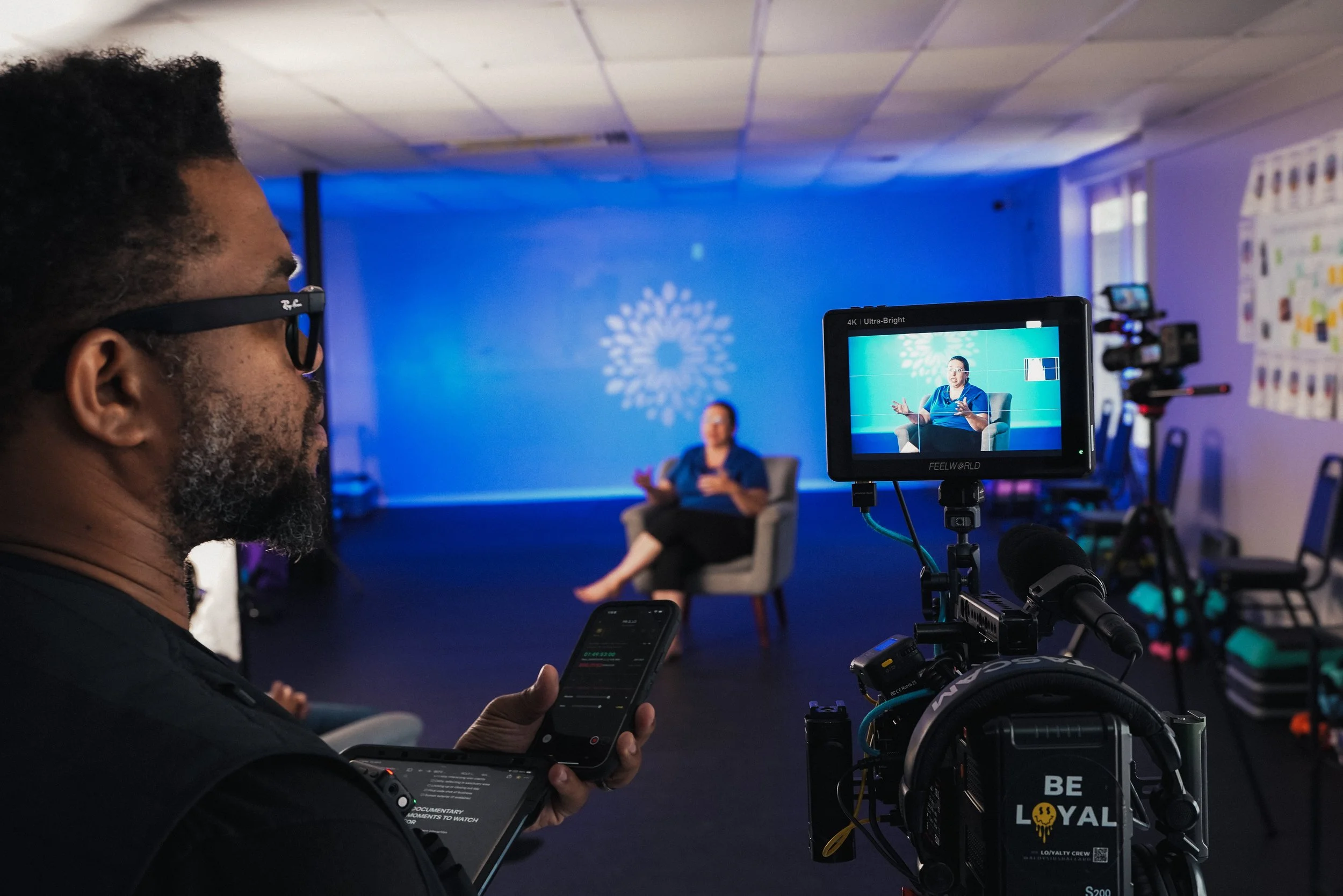
Those are valuable questions, but they skip over something audiences instinctively look for. They skip the struggle. Before anyone celebrates success, they want to understand what was at stake. Before they can appreciate the transformation, they need to understand what life looked like before everything changed. That's where people begin to see themselves in someone else's story. So instead of beginning with the organization, we began with the individual. Was there ever a moment when you thought this dream wasn't going to happen? What obstacles almost convinced you to stop?
What did success feel like when it finally became real? Those questions changed the direction of the interviews almost immediately. Instead of simply documenting accomplishments, they uncovered uncertainty, sacrifice, perseverance, and hope. The conversations became less about explaining a program and more about revealing a journey. Ironically, that approach also strengthened the client's message. One of the biggest misconceptions in brand storytelling is that the organization should be the hero of every story. In reality, the hero is almost always the person whose life has been transformed. The organization becomes the guide that helped them reach a destination they couldn't have reached alone. That's a much more compelling story because it feels honest.
People don't connect with organizations first. They connect with people. Only after they've invested emotionally in someone's journey do they begin asking, "Who helped make this possible?" That's when the organization naturally becomes part of the story without ever feeling like a sales pitch. This project also reminded me that some of the most important moments in an interview happen after the prepared question has already been answered. I've learned not to rush toward the next item on the list. Instead, I wait. I let the silence exist for a moment before asking, "Can you tell me more about that?" or "How did that make you feel?" More often than not, that's where the real story begins.
It's easy to think of documentary filmmaking as cameras, lenses, lighting, and editing. Those things certainly matter. But the longer I do this work, the more convinced I become that our greatest tool isn't the camera at all. It's curiosity. Curiosity is what allows us to hear the sentence that everyone else overlooks. It's what encourages us to ask one more question. It's what transforms an interview into a conversation and a conversation into a story that someone else can see themselves in. When I think back on this project, I won't remember the camera settings or the lighting setup nearly as much as I'll remember the reminder it gave me about the responsibility we have as storytellers. Our job isn't simply to document what happened. Our job is to understand why it mattered.
Anyone can fulfill a creative brief. Anyone can record answers to interview questions. But the work that leaves a lasting impression almost always comes from recognizing what isn't on the page and having the courage to explore it. That's why I believe listening is only half the battle. Listening leads to learning. Learning develops discernment. And discernment is what allows us to uncover stories that don't just inform people—they move them. That's the kind of storytelling I want Beyond Expectations Productions to be known for.